
What pottery classes actually are
-
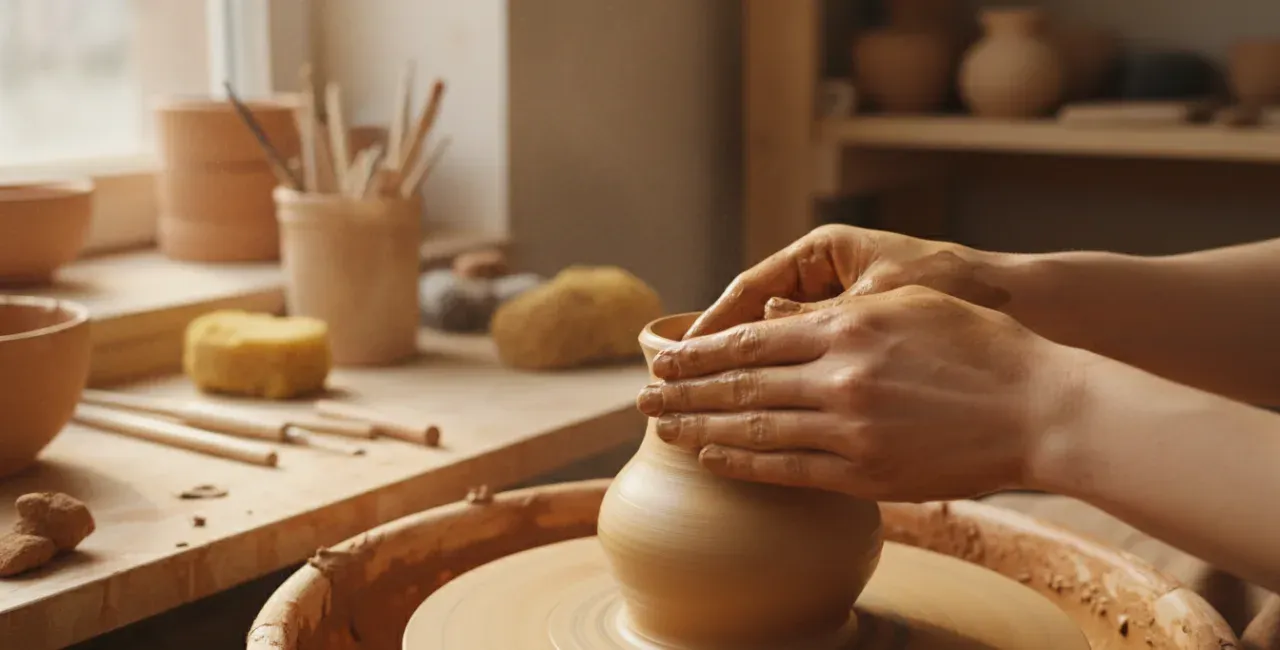
Pottery classes are guided, in‑person sessions where you learn
to shape, decorate, and fire clay into functional or decorative objects.
A typical class mixes short demonstrations with lots of guided practice at the wheel
or at a hand‑building table.Most beginner programs start with:
- An intro to clay types and basic tools
- Simple hand‑building techniques (pinch, coil, slab)
- A first project like a pinch bowl or a small cylinder on the wheel
- Clear studio rules on safety, glazing, and firing
You do not need previous art experience.
Beginner classes assume zero knowledge
and walk you through every step from wedging to glazing.
Why adults love pottery classes
Key mental and physical benefits
Research and studio experience show that pottery offers
a unique mix of mental, emotional, and physical benefits for adults.- Stress relief and relaxation
Working with clay lowers stress and anxiety,
and can help reduce cortisol levels through rhythmic, tactile work. - Creativity and self‑expression
Ceramics education improves creative thinking and gives
a safe space to explore ideas in 3D form. - Mindfulness and focus
Repetitive actions like wedging and throwing improve mindfulness,
patience, and the ability to stay present. - Fine motor skills and coordination
Hand‑eye coordination and attention to detail grow
as you learn to control thickness, symmetry, and surface. - Confidence and sense of achievement
Finishing your first piece and holding it after firing
strongly boosts confidence and self‑esteem.
Main types of pottery classes
By technique
Class type What you do Best for Wheel throwing Use a potter’s wheel for bowls, mugs, cylinders People who like technical challenges Hand‑building Pinching, coiling, slab‑building at a table Creative sculpting, decorative pieces Mixed technique Combination of wheel and hand‑building Curious beginners who want to try both Glazing & surface Focus on color, underglaze, textures, finishes Those who already have bisque pieces Wheel‑throwing looks dramatic and feels very satisfying,
but hand‑building is often easier to control at first.
Many studios, including Pottery Studio #1, offer mixed formats
so you can discover which style you enjoy more.By duration and structure
- One‑time workshop (1.5–3 hours)
Great for “try once”, date nights, gifts, or team events.
Usually you make 1–2 simple pieces and the studio handles firing. - Short series (3–6 weeks)
Step‑by‑step courses that cover the full process
from preparing clay to glazing finished work. - Long courses / open‑studio access
For people building a regular hobby or portfolio,
with independent practice time plus instructor feedback.
What to expect in your first pottery class
Most beginner pottery classes follow a similar, friendly structure.
- Studio tour and safety basics
You get assigned a wheel or hand‑building station,
meet tools, clay, and cleanup routines. - Demo from the instructor
The teacher shows how to wedge clay,
center it on the wheel or form a simple pinch/coil pot. - Your first project
Wheel classes often aim for a small bowl or cylinder;
hand‑building classes focus on a pinch pot or simple dish. - Drying and first firing (bisque)
After class, staff dry and bisque‑fire your pieces for you. - Glazing session
In a later class you add glaze or underglaze,
and the studio does the final, high‑temperature firing.
Important reality check for beginners:
- Your first pieces will be thick, wonky, and asymmetrical
That is normal; mastering centering and even walls
usually takes several sessions. - Failure is part of the process
Many first cylinders collapse; learning pressure control
and timing is exactly what classes are for.
Skills you develop over time
By attending pottery classes for a few weeks or months,
most students gradually build a solid set of core skills.- Clay preparation and wedging
- Centering and pulling walls on the wheel
- Basic shapes: cylinders, bowls, small plates
- Hand‑building forms: pinch pots, coils, slabs
- Trimming, adding handles, attaching parts correctly
- Surface design with slips, underglazes, and carving
- Glazing choices and basic kiln schedules
These skills scale from simple mugs
to complex, high‑end functional ceramics or sculptural pieces.
How to choose the right pottery class
Step 1 — clarify your goal
Ask yourself what you want most right now:
- “I just want a fun night out”
Choose a one‑time workshop with simple projects. - “I want a new long‑term hobby”
Look for 4–8 week beginner series with clear curriculum. - “I want to get serious about ceramics”
You need ongoing courses, critiques, and independent studio time.
Step 2 — check these studio factors
Factor What to look for Group size 4–10 people so the instructor can help everyone. Skill levels offered Separate beginner / intermediate / advanced groups. Equipment quality Well‑maintained wheels, tools, good ventilation. Schedule & location Evenings/weekends, easy transit or parking. Firing and materials Clear policy on how much clay and how many firings. Studios like Pottery Studio #1 usually list all of this
on their class pages: level, length, projects, and what is included.Step 3 — match format to your personality
- If you like structure and clear progress
Pick a curriculum‑based series with defined weekly topics. - If you love experimenting
Choose mixed‑technique or open‑studio programs
where you can try different clays and glazes. - If you are nervous as a total beginner
Look for explicit “Absolute Beginner” or “No experience needed” labels
and small groups with high instructor attention.
What is usually included in the price
While details vary by studio, many pottery classes include:
- Clay (often a set amount per course)
- Use of wheels, tools, and studio space
- Instructor time and demonstrations
- One or two firings (bisque and glaze) for a limited number of pieces
- Basic studio glazes for student work
Extra costs can include:
- Additional clay beyond the base allowance
- Extra firings for oversized or numerous pieces
- Premium glazes or specialty materials
When you compare options, always check
what “materials and firing included” actually means in practice.
Typical levels: beginner to advanced
Level You focus on Beginner Basic forms, safe studio habits, simple glazing. Intermediate Consistent sets (mugs, bowls), better thickness and curves. Advanced Complex forms, lidded pots, large work, personal style. Pottery Studio #1 and similar studios often let you
repeat a level or mix levels as your confidence grows.
Simple visualization:
why adults join pottery classes
Below is a conceptual breakdown of common motivations
behind joining pottery classes (percentages illustrative,
based on typical benefits described in studio and education articles).Reason Approx. share of motivation Stress relief 30% Creativity & self‑expression 25% New hobby / skill 20% Social connection 15% Mindfulness & mental health 10% This pie‑style breakdown shows how pottery sits
at the intersection of well‑being, creativity, and community.
How to prepare for your first class
To make your first visit to Pottery Studio #1
or any local studio smoother and more enjoyable,
prepare a few simple things.- Wear clothes you do not mind getting dirty
Clay washes out, but it is messy. - Trim long nails if possible
Long nails make controlling thin walls much harder. - Arrive a bit early
You will have time to sign forms, choose an apron,
and get comfortable in the space. - Bring ideas, but stay flexible
Very specific Pinterest‑level shapes are hard on day one;
focus on learning fundamentals first. - Accept imperfect results
Think of your first pieces as learning tools,
not final masterpieces.
When a studio like Pottery Studio #1 is a great fit
A local, modern pottery studio is especially helpful if you:
- Want clear, beginner‑friendly structure
- Prefer small groups and lots of instructor feedback
- Value a calm, aesthetically pleasing environment
- Like the idea of leaving each block of classes
with finished, food‑safe pieces you can use or gift
If that sounds like you, booking a class through a dedicated studio site
(such as Pottery Studio #1 via the Pottery classes section below)
is usually the fastest way to get started.

One-time pottery classes in Toronto
Classes in ceramics, pottery and painting in Toronto for children, teenagers and adults. Create clay dishes of your own design in just 1 class. Enjoy an interesting, creative and relaxing two-hour class in pottery, hand-building and painting in Toronto. Daily classes with an instructor from $ 110.
Pottery studio in Toronto | Classes & Parties (pottery-studio.ca)


Здравствуйте! Похоже, вас заинтересовала эта беседа, но у вас ещё нет аккаунта.
Надоело каждый раз пролистывать одни и те же посты? Зарегистрировав аккаунт, вы всегда будете возвращаться на ту же страницу, где были раньше, и сможете выбирать, получать ли уведомления о новых ответах (по электронной почте или в виде push-уведомлений). Вы также сможете сохранять закладки и ставить лайки постам, чтобы выразить свою благодарность другим участникам сообщества.
С вашими комментариями этот пост мог бы стать ещё лучше 💗
Зарегистрироваться Войти© 2024 - 2026 ExLends, Inc. Все права защищены.